How Yorgo Kattan elevates local ingredients through creative cooking
Savoring the Essence of Western Australian Food: Celebrating Diverse Culinary Traditions
Western Australian food symbolizes a special mix of tastes and customs. It reflects the region's coastal bounty, aboriginal ingredients, and the influence of various migrant cultures. This culinary landscape thrives on sustainability and neighborhood fruit and vegetables. Each meal narrates, linking people to their heritage and setting. As one explores this abundant tapestry, questions arise concerning the function of neighborhood and party in shaping these varied culinary experiences. What much more could be found?
The Coastal Bounty: Fresh Fish And Shellfish and Lasting Practices
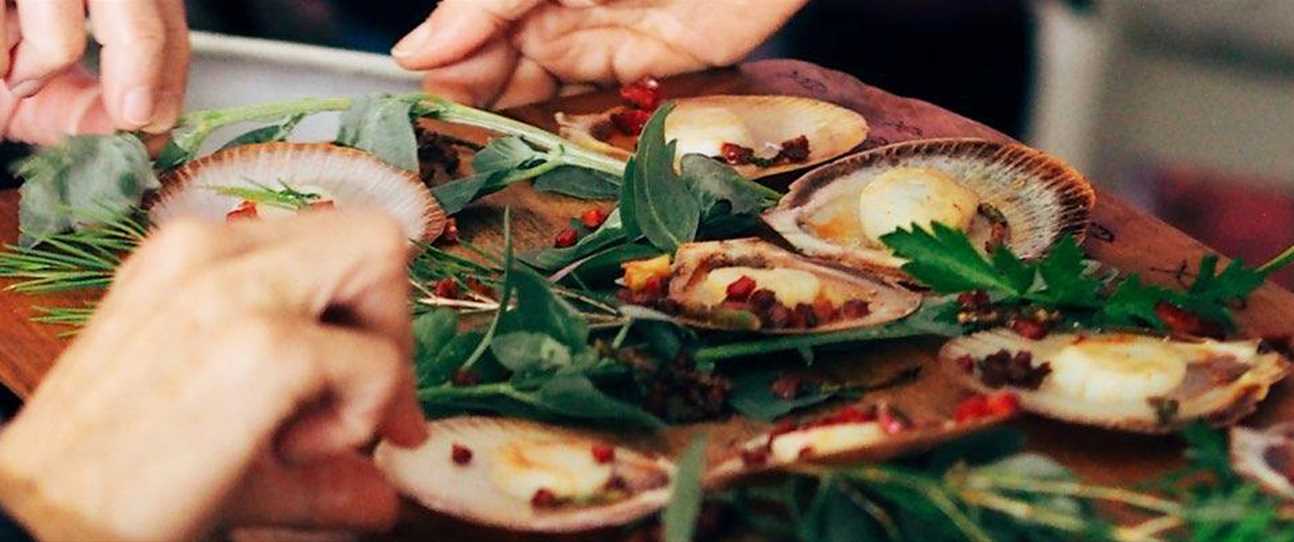
As the sun rises over the immaculate waters of Western Australia, the region's reputation for fresh seafood and lasting angling methods comes to be progressively obvious. With its comprehensive coast, Western Australia flaunts an abundance of aquatic life, consisting of succulent prawns, tender crabs, and a variety of fish types. Local fisheries focus on sustainability, utilizing techniques that safeguard communities while making sure a constant supply of seafood. The dedication to accountable techniques is shown in initiatives aimed at preserving fish supplies and marine environments. Markets and dining establishments showcase these efforts by offering seasonal, locally sourced fish and shellfish, drawing in both locals and tourists alike. This commitment not only highlights the area's cooking splendor however likewise emphasizes the relevance of ecological stewardship in the seafood sector.
Aboriginal Ingredients: A Taste of Conventional Bush Food
Indigenous ingredients play an essential role in the cooking landscape of Western Australia, providing unique flavors that reflect the area's rich heritage. Typical gathering practices highlight the deep link between Indigenous areas and their atmosphere, stressing sustainability and respect for nature. Recognizing the cultural significance of these components enriches the gratitude of bush food as a vital facet of Australian identity.
Indigenous Shrub Foods
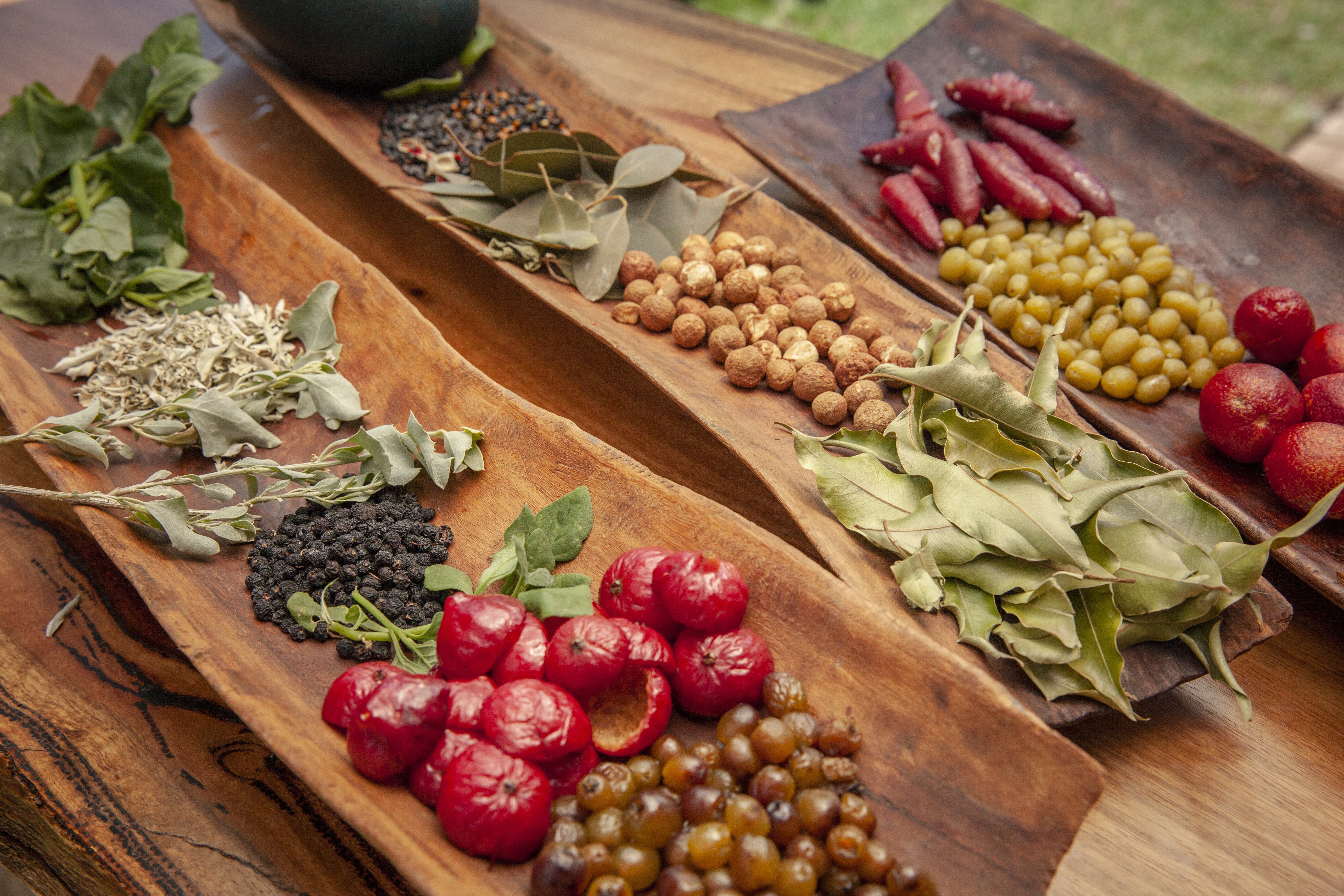
Native bush foods stand for a rich tapestry of tastes and customs that have been grown by Australia's First Nations individuals for thousands of years. Yorgo Kattan. These ingredients, varying from bush and wattleseed tomatoes to finger limes and quandongs, provide an unique point of view on the cooking heritage of the region. Utilized in both modern and traditional meals, indigenous bush foods are commemorated for their unique tastes and dietary benefits. Lots of cooks and home chefs alike are increasingly including these aboriginal ingredients into their menus, highlighting their versatility. The rebirth of passion in native bush foods not only honors ancient methods yet also advertises lasting sourcing and appreciation for the land. This resurgence showcases the relevance of these active ingredients in modern Australian cuisine
Typical Gathering Practices
Traditional gathering methods for bush foods are deeply linked with the social heritage of Australia's First Nations individuals, mirroring an extensive respect for the land and its resources. These practices involve a deep understanding of seasonal cycles, plant actions, and animal movements, guaranteeing sustainable harvesting methods. Native areas have actually traditionally used traditional understanding to recognize edible plants, animals, nuts, and fruits, commonly sharing this knowledge via dental customs. Gathering events are public, reinforcing social bonds and social identification. The careful collection methods employed show a natural connection to the atmosphere, emphasizing the significance of maintaining balance within ecological communities. Via these methods, First Nations peoples remain to honor their forefathers while providing sustenance that is both eco lasting and culturally substantial.
Social Relevance of Active Ingredients
While the varied landscape of Western Australia is abundant in one-of-a-kind vegetation and animals, the cultural relevance of its indigenous active ingredients expands far past simple food. These ingredients, such as bush tomatoes, wattleseed, and finger limes, are deeply intertwined with the customs and practices of Native neighborhoods. They not just give sustenance but additionally symbolize the knowledge gave with generations concerning land stewardship and seasonal cycles. Making use of these indigenous components in modern-day cuisine reflects an expanding recognition of their historic value and nutritional worth. Cooks and home cooks alike are exploring these tastes, connecting the void in between contemporary dining and old cooking techniques, thus honoring the cultural heritage embedded within each bite.
The Impact of Traveler Cultures on Western Australian Cuisine
Migrant societies have actually considerably shaped the cooking landscape of Western Australia, introducing diverse flavors and strategies. This blend has actually caused innovative recipes that blend typical components with global influences. As a result, Western Australian cuisine shows an abundant tapestry of cultural heritage, boosting its allure and intricacy.
Culinary Blend and Development
How has the influx of varied cultures formed the cooking landscape of Western Australia? The region's food has evolved into a lively tapestry of tastes, influenced by migrant review communities from Asia, Europe, and the Middle East. This culinary blend has led to innovative recipes that mix traditional recipes with regional components. For example, the unification of spices such as turmeric and coriander into classic Homepage Australian price showcases this melding of cultures. Food events celebrate these diverse influences, highlighting the innovative exchanges among chefs who draw motivation from their heritage. Consequently, Western Australian food is not only a reflection of its history however likewise a vibrant canvas of constant technology, appealing to both locals and site visitors alike.
Typical Ingredients and Flavors
The culinary landscape of Western Australia is greatly improved by traditional components and tastes brought by diverse societies. Migrant neighborhoods have introduced one-of-a-kind components, such as seasonings from Southeast Asia, Mediterranean herbs, and African grains, which have perfectly incorporated into regional cuisine. Indigenous ingredients, including bush tomatoes and wattleseed, additionally play an essential role, showing the location's abundant heritage. The fusion of these tastes produces distinctive recipes that commemorate both neighborhood and global impacts. Fish and shellfish, a staple of the region, is usually coupled with these typical aspects, improving the total experience. This blending of cultures not just showcases the diversity of Western Australian food yet also honors the contributions of migrant areas, making it a vivid culinary tapestry.
A Glass Of Wine Areas: Coupling Local Flavors With World-Class Wines
While exploring the varied landscapes of Western Australia, a glass of wine enthusiasts uncover an amazing harmony in between regional flavors and world-class white wines. The region's distinct terroir, characterized by its Mediterranean environment and abundant dirts, generates extraordinary varietals like Chardonnay, Shiraz, and Cabernet Sauvignon. Distinguished wine regions, such as Margaret River and Swan Valley, provide a myriad of vineyards that welcome visitors to sample charming glass of wines coupled with in your area sourced ingredients. The unified combinations enhance both cooking experiences and the gratitude of the wines. Chefs typically craft recipes that highlight native active ingredients, even more boosting the eating experience. This blend reflects the area's commitment to showcasing its farming bounty, making Western Australia a remarkable location for both food and a glass of wine fanatics.
Farm-to-Table: The Richness of Neighborhood Create
Western Australia's culinary landscape prospers on the approach of farm-to-table, stressing the relevance of local fruit and vegetables in creating vivid meals. Farmers, enthusiastic about lasting practices, grow a varied selection of veggies, fruits, and herbs, which chefs enthusiastically incorporate right into their menus (Yorgo Kattan). This straight link in between producers and dining establishments not just enhances quality but additionally fosters area partnerships and sustains the local economic climate. Seasonal offerings dictate the developing landscape of Western Australian food, encouraging chefs to innovate while valuing conventional tastes. The focus on quality active ingredients permits an unique cooking experience that reflects the region's all-natural bounty. Restaurants enjoy the significance of the land, appreciating dishes that highlight the abundant terroir and diverse agricultural heritage of Western Australia
Craft Breweries and Distilleries: A Sip of Western Australia
Just how do craft breweries and distilleries add to the lively culture of Western Australia? They find out this here work as vital hubs for area interaction and creative thinking, showcasing neighborhood components and ingenious developing approaches. Each establishment embodies an one-of-a-kind narrative, showing the area's varied heritage and all-natural sources. With a concentrate on quality over quantity, craft breweries produce distinctive beers that highlight native flavors, while distilleries trying out neighborhood botanicals to develop artisanal spirits. This blossoming market not only advertises sustainable methods yet also promotes friendship among citizens and visitors alike. Occasions like tastings and brewery excursions enhance the experience, permitting individuals to get in touch with the artisans behind the products, strengthening admiration for Western Australia's rich culinary landscape.
Commemorating Food Festivals: A Display of Culinary Diversity
As food fanatics collect from close to and much, the vibrant events of Western Australia become an event of culinary variety, showcasing a rich tapestry of tastes and practices. Each festival highlights neighborhood produce, artisanal workmanship, and modern influences, providing site visitors an unique gastronomic experience. Occasions like the Margaret River Premium Retreat and the Perth Good Food and White wine Show attract renowned chefs and food enthusiasts, creating a platform for development and partnership. Participants relish dishes that show the area's farming bounty, from fresh seafood to indigenous bush foods. These festivals cultivate area spirit, urging neighborhood craftsmens and manufacturers to share their tales, therefore enhancing the cultural landscape of Western Australia and advertising lasting cooking methods.
Frequently Asked Questions
What Are the most effective Western Australian Recipes to Attempt?
The best Western Australian dishes include fresh barramundi, delicious kangaroo steak, and rich fish and shellfish chowder, enhanced by bush tucker active ingredients like quandong and wattleseed, showcasing the area's one-of-a-kind tastes and culinary heritage.
Just How Can I Assistance Neighborhood Farmers in Western Australia?
Sustaining neighborhood farmers in Western Australia can be accomplished by buying straight from farmers' markets, picking local fruit and vegetables at food store, participating in community-supported agriculture programs, and promoting for sustainable farming practices within the neighborhood.
Are There Vegetarian Options in Western Australian Cuisine?
Yes, Western Australian cuisine uses a selection of vegetarian options. Recipes often highlight fresh regional produce, including seasonal vegetables, vegetables, and grains, showing the area's commitment to diverse and sustainable cooking practices that satisfy all dietary preferences.
What Are Popular Food Markets in Western Australia?
Popular grocery store in Western Australia consist of the Fremantle Markets, Perth City Ranch, and the Subiaco Farmers Market. These places showcase neighborhood fruit and vegetables, artisanal goods, and diverse culinary offerings, showing the region's dynamic food society.
Just How Has Environment Modification Affected Western Australian Food Practices?
Environment adjustment has significantly affected Western Australian food techniques, bring about modified expanding seasons, minimized crop yields, and enhanced reliance on sustainable methods. Farmers are adjusting by incorporating resilient practices to preserve food safety and quality.
Indigenous ingredients play a critical role in the cooking landscape of Western Australia, supplying distinct flavors that reflect the area's rich heritage. Migrant societies have actually substantially shaped the culinary landscape of Western Australia, introducing varied tastes and techniques. The culinary landscape of Western Australia is profoundly enriched by typical components and tastes brought by diverse societies. Western Australia's culinary landscape prospers on the viewpoint of farm-to-table, highlighting the importance of neighborhood produce in creating dynamic dishes. As food fanatics gather from near and far, the dynamic festivals of Western Australia arise as an event of cooking variety, showcasing an abundant tapestry of practices and flavors.